
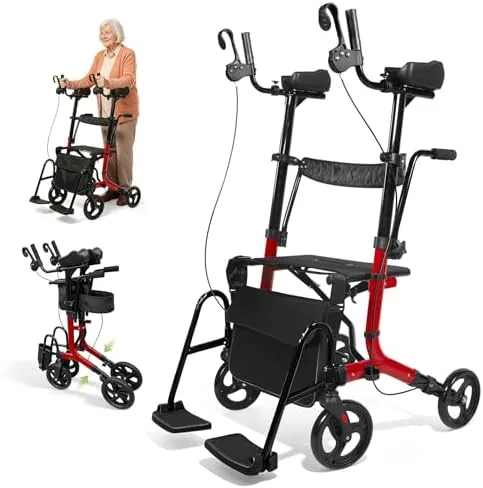
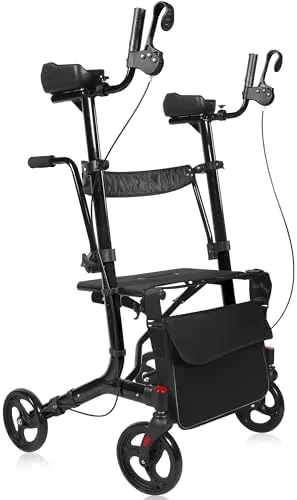
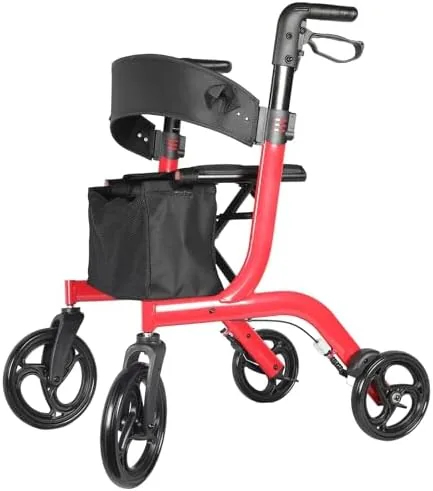
SUNDERWELL — Walker For Seniors
SUNDERWELL Walker for Seniors: Empowering Independence for Those Who Deserve Mobility Freedom
SUNDERWELL exists to serve seniors and adults who refuse to let limited mobility define their daily lives. Founded in California, USA, the brand addresses a fundamental need that mainstream mobility equipment often overlooks — the desire for dignified, effortless movement without complicated setup processes or unreliable after-sales support. Every upright walker in the SUNDERWELL lineup reflects a deep understanding of what mobility challenges actually feel like, designed by a team committed to improving seniors' lives through innovative assistance devices.
The core audience for these mobility aids includes seniors experiencing balance concerns, adults recovering from surgery or injury, and the caregivers who support them. Unlike generic walkers that treat mobility assistance as an afterthought, SUNDERWELL engineering prioritizes real-world usability. The pre-assembled design eliminates frustrating setup requirements, allowing users to simply unbox and begin walking with confidence. This thoughtful approach extends to the door-to-door after-sales service that provides in-home support and repairs when needed.
Family members seeking reliable mobility solutions for elderly loved ones find particular value in the brand's commitment to safety and stability. The combination of electromagnetic braking systems, all-terrain capability, and ergonomic handle positioning creates walking aids that genuinely enhance quality of life. Whether navigating grocery store aisles, exploring neighborhood parks, or maintaining independence at home, SUNDERWELL users experience mobility assistance designed around their actual needs rather than manufacturing convenience.
From Lightweight Uprights to Heavy-Duty Support: The Complete Collection
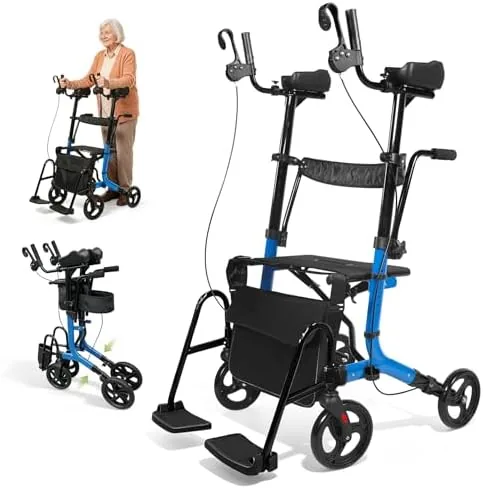
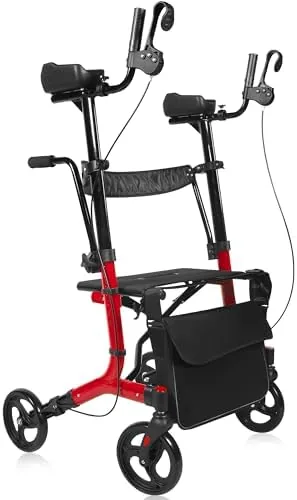
The product range spans multiple configurations to accommodate diverse mobility requirements and user preferences. Lightweight upright walkers weighing just 19.8 to 22 pounds offer easy maneuverability for users prioritizing portability without sacrificing structural integrity. These models feature integrated seating options that provide rest stops during longer excursions, transforming a simple walking aid into a versatile mobility companion.
For users requiring enhanced weight capacity, heavy-duty models support up to 450 pounds while maintaining the same thoughtful design principles found throughout the collection. The foldable rollator walker series introduces 10-inch wheels designed specifically for all-terrain navigation, making outdoor adventures and uneven surfaces accessible rather than obstacles. Each configuration maintains the brand's signature tool-free disassembly feature, breaking down into lightweight pieces for effortless transport and storage.
Height customization appears across the entire lineup, with adjustable settings ranging from 48 to 52 inches on upright models. Quick-adjust handles accommodate users of varying statures without requiring tools or complicated assembly procedures. This attention to personalization ensures proper ergonomic positioning that reduces strain on backs, shoulders, and wrists during extended use.
The Upright Posture Philosophy: Why Handle Position Changes Everything
Traditional rollators force users into a hunched forward position that creates cumulative stress on the spine, shoulders, and wrists. The engineering team rejected this standard approach in favor of upright walker designs that position handles at a height promoting natural standing posture. This fundamental difference in handle placement allows the body to maintain proper alignment during movement, distributing weight more evenly and reducing fatigue during extended walking sessions.
The five adjustable height settings between 48 and 52 inches represent more than simple customization options. Each position has been calibrated to support optimal arm angles that prevent the shoulder hiking and wrist hyperextension common with conventional walkers. Users report feeling less tired after longer walks because their musculoskeletal system works as nature intended rather than compensating for poor equipment design.
Beyond handle positioning, the upright design philosophy extends to braking system placement and wheel configuration. Electromagnetic brakes engage instantly when the throttle releases, providing predictable stopping power without requiring grip strength or complex hand coordination. Large 7.9 to 10-inch wheels paired with double shock suspension absorb terrain variations, maintaining stability without jarring impacts that could compromise user balance. This integrated approach to ergonomic design creates mobility aids that work with the body rather than against it.
Essential SUNDERWELL Walker for Seniors Features: Built-In Technology That Matters
- Pre-Assembled USA Technology Every unit arrives ready to use immediately upon unboxing, eliminating the frustration and potential safety issues of complex assembly requirements.
- Electromagnetic Braking System Advanced brakes engage automatically when the throttle releases, providing instant stopping power that doesn't depend on grip strength or hand coordination.
- Tool-Free Disassembly Quick-release mechanisms allow the walker to separate into lightweight pieces without tools, simplifying transport in vehicle trunks and storage in closets.
- All-Terrain Wheel Configuration High-quality tires ranging from 7.9 to 10 inches paired with double shock suspension handle grass, gravel, and uneven sidewalks without compromising stability.
- Integrated Seating Built-in seats on upright models provide convenient rest stops during outings, with weight capacities matching the walker's overall support rating.
- Door-to-Door After-Sales Service In-home support and repair services eliminate the hassle of shipping equipment back for maintenance, with technicians coming directly to the user's location.
Customer Favorites: The Models That Keep Earning Five-Star Reviews

The SUNDERWELL Upright Walker with Seat at 22 pounds consistently ranks as the most popular choice among customers seeking the ideal balance between lightweight portability and robust support. Its five adjustable height settings accommodate users from varying backgrounds while the 300-pound weight capacity covers the majority of user requirements. Reviewers frequently mention the dramatic difference in walking posture compared to their previous traditional rollators.
For users requiring enhanced weight support, the 450-pound capacity Stand Up Walker has developed a dedicated following. Despite supporting nearly double the weight of standard models, this configuration maintains a remarkably low 19.8-pound frame weight. The foldable design breaks down quickly for transport, making it practical for family gatherings and travel despite its heavy-duty construction. The black finish and robust metal frame appeal to users wanting equipment that looks capable rather than clinical.
The Foldable Rollator Walker R1 with its 10-inch wheels represents the go-to selection for outdoor enthusiasts who refuse to limit their activities to smooth indoor surfaces. This all-terrain configuration handles park trails, neighborhood sidewalks with root damage, and grassy areas that would challenge smaller-wheeled alternatives. The 300-pound capacity and 19-pound weight create a versatile option for users who prioritize outdoor accessibility.
Robust Metal Frames and High-Quality Tire Construction
Frame construction across the lineup utilizes robust metal alloys engineered to support weight capacities ranging from 300 to 450 pounds while keeping overall walker weight remarkably low. The 19.8-pound frame on the heavy-duty 450-pound capacity model demonstrates the engineering precision required to achieve this balance. These aren't flimsy aluminum tubes that flex under load — the structural integrity maintains consistent support through years of daily use.
Wheel construction receives equal attention, with high-quality tires specifically selected for grip, durability, and terrain versatility. The 7.9-inch wheels on upright models provide smooth indoor navigation and adequate outdoor capability, while the 10-inch wheels on rollator configurations tackle rougher terrain without sacrificing maneuverability. Double shock suspension systems integrated into the wheel assemblies absorb impacts from curbs, door thresholds, and uneven surfaces.
Handle materials and brake components reflect the same quality-first approach. Ergonomic grips provide comfortable contact points during extended use without the hand fatigue common with hard plastic alternatives. The electromagnetic brake mechanisms utilize components rated for tens of thousands of activation cycles, maintaining consistent stopping power throughout the product lifespan. Every material selection prioritizes long-term reliability over short-term cost savings.
What Users Actually Experience: Comfort and Durability in Daily Life
The real test of any mobility aid happens during actual daily use — grocery shopping trips, park visits with grandchildren, navigating doctor's office hallways, and moving through the home. Users consistently report that the upright handle positioning eliminates the back and shoulder pain they experienced with traditional rollators. The difference becomes most apparent during longer outings where cumulative strain would previously force rest breaks or early trip endings.
Durability proves itself over months and years rather than first impressions. The robust metal frames show minimal wear even after daily use across varying terrain conditions. Wheel bearings maintain smooth rotation, brake mechanisms retain their instant-engagement characteristics, and folding joints continue operating without developing the looseness or squeaking common in lower-quality alternatives. Users who previously replaced walkers annually find themselves still relying on the same unit years later.
The integrated seating transforms extended outings from endurance tests into enjoyable experiences. Rather than cutting shopping trips short due to fatigue, users simply sit, rest, and continue when ready. The convenience of having a reliable seat always available changes how far users venture and how long they stay active. Family members report that their elderly relatives participate in more activities because the walker provides both mobility and rest options wherever they go.
How to Use Your SUNDERWELL Walker for Seniors: Setup, Adjustment, and Daily Operation
- Unboxing Your Walker Remove the unit from packaging and unfold if necessary — no assembly tools required. Pre-assembled construction means the walker is ready for immediate use.
- Height Adjustment Locate the quick-adjust mechanisms on the handles and select from five height settings between 48 and 52 inches. Position handles so arms rest naturally without shoulder elevation.
- Brake Familiarization Practice engaging and releasing the electromagnetic brakes before walking. The instant-stop feature activates automatically when the throttle releases, requiring no grip strength.
- Proper Walking Posture Stand upright with the walker positioned slightly ahead. Avoid leaning forward or hunching — the upright handle design supports natural standing posture.
- Using the Integrated Seat When resting, ensure the brakes are fully engaged before sitting. Position the walker on level ground and sit centered on the seat surface.
- Transport and Storage Utilize the tool-free disassembly feature to break the walker into lightweight pieces. Store components in a dry location away from extreme temperatures.
Safe Movement Practices and Weight Capacity Guidelines
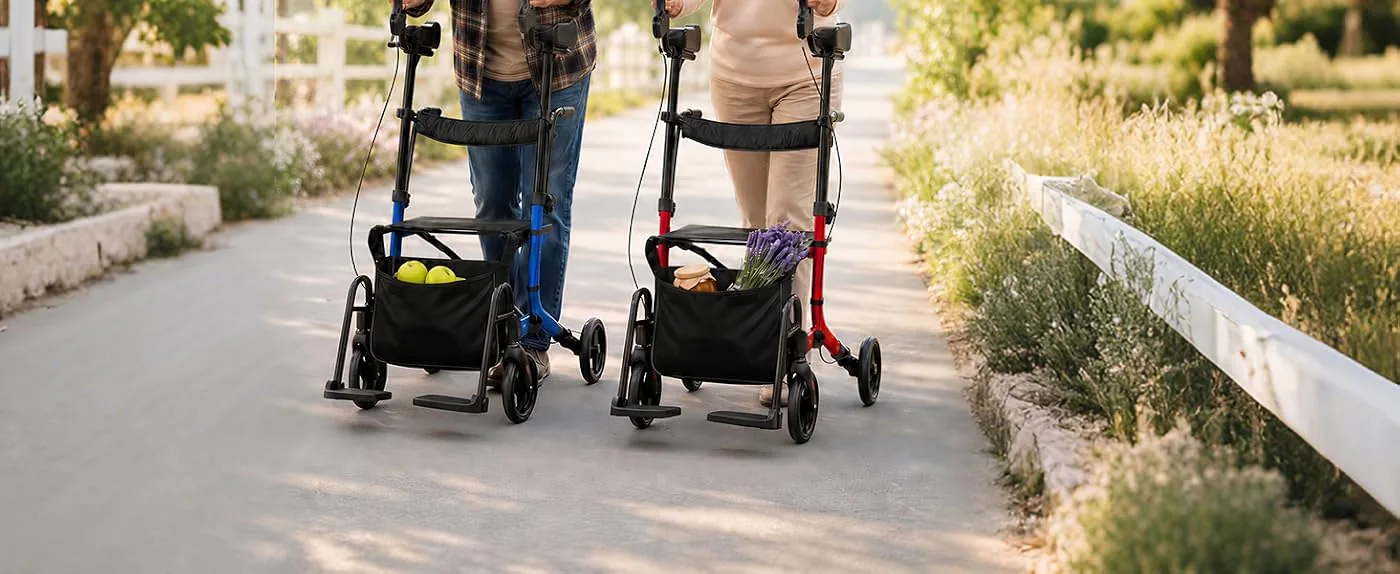
Safety Best Practices
- Always engage brakes before sitting on integrated seat
- Use on stable, level surfaces when possible
- Avoid exceeding stated weight capacity limits
- Check wheel condition before each use
- Keep folding mechanisms free of debris
- Replace worn brake pads promptly
Weight Capacity Matching
- 300 lb models: Users up to 280 lbs recommended
- 450 lb models: Users up to 420 lbs recommended
- Include carried items in total weight calculation
- Consider terrain difficulty when near capacity limits
- Heavy-duty models provide larger stability margins
- Contact support for weight capacity questions
Ideal for Active Seniors, Surgery Recovery, and Caregiver Peace of Mind
The primary beneficiaries of these mobility aids are seniors who value maintaining their independence despite balance or strength challenges. Users who previously limited their activities due to fear of falling or fatigue find renewed confidence with proper walking support. The upright posture design particularly appeals to individuals conscious of their appearance who want mobility assistance that looks modern rather than medical.
Adults recovering from hip replacement, knee surgery, or other procedures requiring temporary mobility support represent another significant user group. The adjustable height settings accommodate changing needs during recovery phases, while the lightweight construction prevents additional strain during the healing process. Many users initially purchase for recovery purposes and continue using the walker long-term after experiencing the comfort benefits.
Caregivers and family members often make the actual purchase decision, seeking equipment that provides reliable support without creating additional burdens. The door-to-door after-sales service eliminates concerns about managing equipment problems independently. The pre-assembled design means caregivers don't need to spend hours interpreting assembly instructions or worry about incorrect setup compromising safety. For families managing elderly care from a distance, this brand's comprehensive support structure provides essential peace of mind.
Selecting the Right Walker for Seniors Model: Weight, Height, and Terrain Considerations
Choosing the appropriate model begins with honest assessment of weight support requirements. The 300-pound capacity models suit the majority of users, but individuals approaching this limit should consider the 450-pound option for additional stability margin. Remember to include the weight of items carried in bags or baskets attached to the walker when calculating total load requirements.
Height compatibility determines daily comfort and long-term usability. Users between 5'0" and 6'2" typically find appropriate settings within the standard 48 to 52-inch adjustment range. The key indicator of correct height is arm position — handles should allow arms to rest naturally at the sides with a slight elbow bend, without forcing shoulder elevation or requiring reaching downward.
Terrain assessment guides wheel size selection. Indoor-primary users can rely on 7.9-inch wheels that navigate doorways and furniture arrangements easily. Users planning significant outdoor activity — park visits, neighborhood walks on uneven sidewalks, grassy areas — should prioritize the 10-inch wheel rollator configurations with enhanced suspension. Honest evaluation of where the walker will actually be used most frequently leads to better model selection than aspirational outdoor adventure plans that may not materialize.
Finally, consider transport requirements. Users who frequently travel or need to store the walker in limited spaces benefit from the tool-free disassembly feature present across all models. However, some configurations break down into smaller pieces than others — discussing specific dimensions with the support team helps match equipment to actual vehicle trunk sizes and storage closet dimensions.
SUNDERWELL Walker for Seniors vs. Leading Competitors: Feature Comparison
| Feature | SUNDERWELL | Drive Medical Nitro | Medline Premium |
|---|---|---|---|
| Pre-Assembled Design | Yes — unbox and use immediately | Requires partial assembly | Requires partial assembly |
| Maximum Weight Capacity | Up to 450 lbs | 300 lbs standard | 300 lbs standard |
| Walker Weight | 19.8–22 lbs | 18–20 lbs | 18–22 lbs |
| Height Adjustment Range | 48–52 inches (5 settings) | 31–38 inches typically | 32–38 inches typically |
| Wheel Size Options | 7.9–10 inches | 10 inches standard | 8 inches standard |
| Brake Type | Electromagnetic instant-stop | Cable hand brakes | Cable hand brakes |
| Suspension System | Double shock suspension | None standard | None standard |
| After-Sales Service | Door-to-door in-home support | Standard warranty service | Standard warranty service |
| Tool-Free Disassembly | Yes — complete breakdown | Partial folding only | Partial folding only |
Comparison based on manufacturer specifications and standard model configurations. Specific features may vary by model within each brand's lineup.
Keeping Your Mobility Aid in Peak Condition: Cleaning and Maintenance
- Weekly Cleaning Routine Wipe down frame and handles with a damp cloth to remove dirt and oils. Avoid harsh chemicals that could damage metal finishes or grip materials.
- Wheel Maintenance Inspect wheels monthly for embedded debris, worn tread, or bearing issues. Clean wheel surfaces with mild soap and water, ensuring complete drying before use.
- Brake System Checks Test electromagnetic brake engagement weekly. If stopping power decreases or becomes inconsistent, contact door-to-door support for professional inspection.
- Folding Mechanism Care Keep pivot points and locking mechanisms free of sand, dirt, and moisture. Apply manufacturer-recommended lubricant sparingly if joints become stiff.
- Seat and Cushion Maintenance Clean integrated seat surfaces with appropriate upholstery cleaner. Check mounting hardware periodically to ensure secure attachment.
- Storage Guidelines Store in dry, climate-controlled environments when possible. Avoid leaving the walker in vehicle trunks during extreme heat or cold for extended periods.